A small crack in a home’s base often seems like a minor cosmetic nuisance that can be easily brushed off or delayed for later. However, these small fissures act as early warning indicators of ongoing subterranean pressure, soil movement, or structural shifting under your property.
Ignoring these initial warnings allows small, manageable fractures to steadily expand and compromise the safety of the entire structure. Taking swift action at the first sign of cracking prevents minor repairs from spiraling into catastrophic structural failures.
Rapid Escalation of Structural Repair Costs
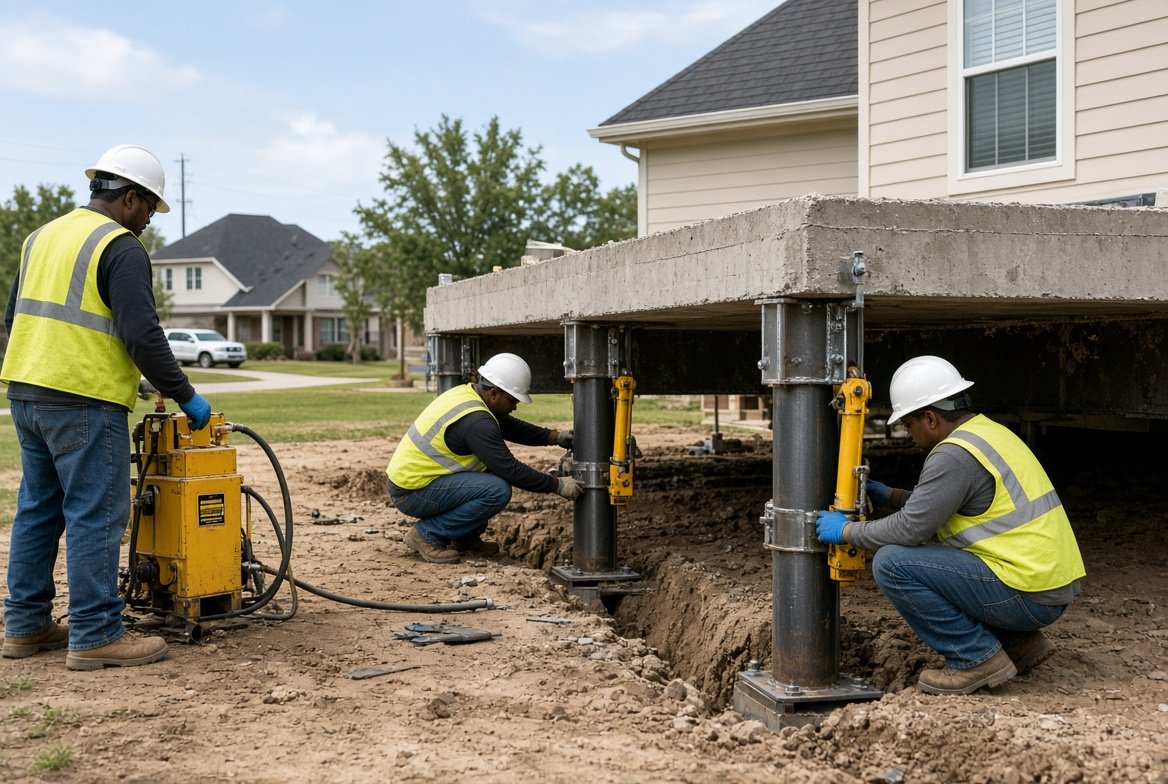
What begins as a simple hairline crack will naturally expand as changing soil moisture and seasonal freeze-thaw cycles exert continuous pressure on your home. Small cosmetic patches cost a fraction of what structural underpinning, pier installation, or total concrete replacement demands later on.
Addressing fractures immediately keeps repair strategies simple, quick, and affordable. Delaying intervention allows minor damage to multiply, resulting in massive repair bills that could have been easily avoided.
- Hairline fissures widening into major structural gaps that let exterior soil and water inside
- Minor floor dips turning into severe structural slopes that pull framing out of alignment
- Simple surface patching evolving into complex, multi-pier deep structural stabilization projects
- Secondary framing damage requiring extensive floor joist, header, and wall stud repairs
Widespread Interior and Exterior Home Damage
A foundation shifts and settles unevenly, dragging the upper wooden frame, walls, and finished surfaces out of alignment along with it. This continuous physical strain forces secondary damage to spread rapidly through every room in your house.
The longer a house remains out of level, the more severe the cosmetic and functional damage throughout the home becomes. Fixing the base early stops this chain reaction of interior and exterior destruction before it ruins expensive finishes.
- Interior drywall cracks tearing open and expanding across ceilings and above door frames
- Exterior brickwork and stone veneers developing long stair-step fractures across outer walls
- High-end floor tiles cracking, popping loose, or pulling away from subfloors
- Door frames warping out of square, causing doors to stick, rub, or fail to latch shut
Uncontrolled Water Intrusion and Dangerous Mold Growth
Even the smallest foundation fissure provides a direct pathway for groundwater, rain runoff, and soil moisture to seep inside. Once water enters below-grade walls, it rapidly creates damp environments that breed dangerous mold and rot wooden framing.
Water entering through unchecked fractures poses severe health risks and causes rapid physical decay throughout lower living spaces. Sealing cracks promptly locks out moisture, keeping your indoor environment dry, healthy, and safe.
- Persistent water leaks soaking basement floors and damaging stored personal items
- High interior humidity levels triggering rapid toxic mold and mildew growth behind walls
- Wood rot degrading subfloor joists, beam supports, and lower wall framing
- Musty odors spreading through your home’s HVAC system and ruining indoor air quality
Severe Degradation of Home Value and Marketability
When it comes time to sell your home, unresolved foundation issues act as a major red flag for prospective buyers and home inspectors. Structural damage significantly drops property appraisal values and can stall real estate transactions indefinitely.
Delaying repairs destroys a massive portion of the equity you have built in your property over time. Maintaining a stable, crack-free foundation protects your primary investment and preserves maximum market resale value.
- Home inspectors easily flagging unaddressed structural cracks, forcing mandatory escrow repairs
- Potential buyers demanding massive price discounts or walking away from negotiations entirely
- Mortgage lenders refusing to approve buyer loans on structures with active foundation defects
- Insurance companies threatening to deny coverage or cancel policies due to unmitigated risk
Pest Infestations and Loss of Energy Efficiency
Small cracks in foundation walls provide ideal entry points for burrowing pests, insects, and cold drafts. As gaps widen, tiny invaders easily access interior walls while damp air forces your climate control systems to work far harder.
Sealing foundation gaps locks out destructive pests and prevents costly thermal leaks. Maintaining an airtight base ensures your home remains comfortable, pest-free, and energy-efficient year-round.
- Termites, ants, and rodents utilizing structural fissures to enter lower living spaces
- Cold air drafts leaking into basements and crawl spaces during winter months
- HVAC systems running continuously to combat elevated humidity levels and drafts
- Soaring monthly utility bills caused by compromised thermal insulation around rim joists
Securing Your Home’s Future Through Early Action
Ignoring early signs of foundation cracks is a risky gamble that consistently leads to severe structural damage, health hazards, and massive financial loss. Proactive repairs safeguard your home’s structural integrity and eliminate the need for chaotic, large-scale restoration projects later.
Taking immediate action at the first sign of trouble gives you total control over your property’s maintenance and long-term health. Protecting your base today ensures your home remains safe, comfortable, and valuable for decades to come.